
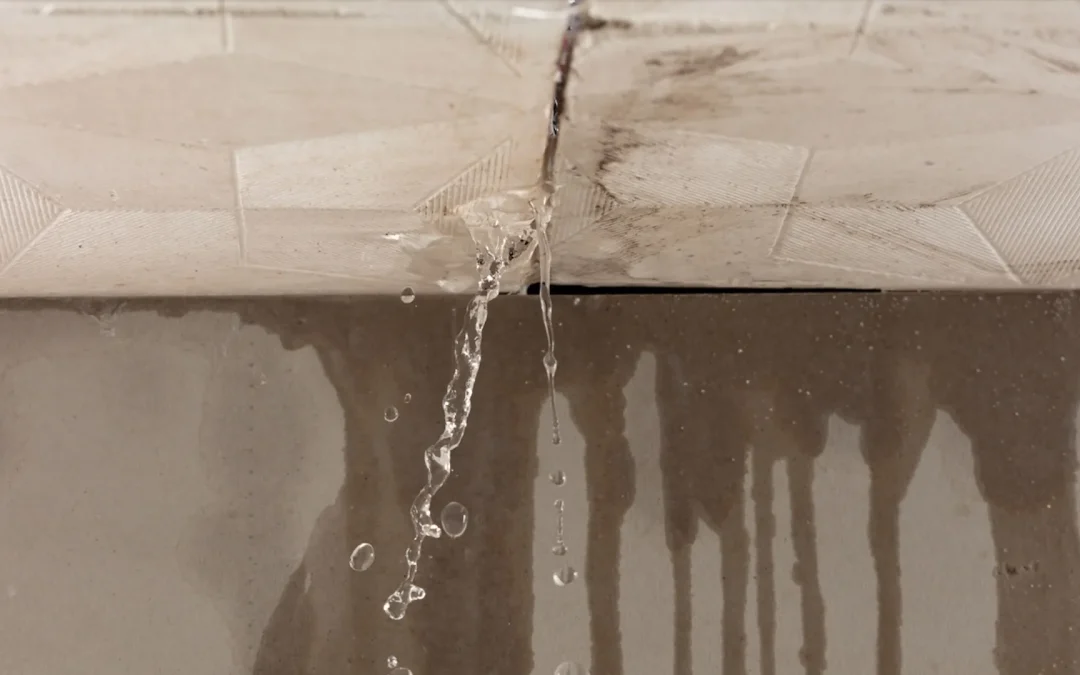
When disaster strikes in the form of a leak, burst pipe or flood, it can feel overwhelming. Water damage can quickly spiral from a small inconvenience into a major headache, affecting your home, your possessions and even your finances. Whether you’re dealing with a soggy carpet or a full-blown flood, understanding how to handle the aftermath (and what your insurance actually covers) can save you a lot of time, money and stress.
At Water Damage Repairs, we help customers across the UK navigate the complex world of water damage insurance claims and offer professional water mitigation and restoration services. Below, we answer some of the most frequently asked questions to help you get back on your feet after a water-related incident.
What Exactly Counts as Water Damage?
Water damage generally refers to any physical damage caused to a property or its contents due to the unwanted presence of water. This can come in many forms, including:
- Burst or leaking pipes
- Overflowing sinks, toilets or bathtubs
- Roof leaks due to heavy rain
- Faulty appliances (washing machines, dishwashers, etc.)
- Sewer backups
- Rising groundwater or surface water flooding
Not all water damage is treated equally by insurers, which is why identifying the cause is crucial. A burst pipe from a sudden freeze may be covered, while gradual damp from poor ventilation may not be.
What Types of Water Damage Are Usually Covered by Insurance?
Most standard home insurance policies in the UK cover sudden and accidental water damage, such as:
- A pipe that bursts overnight
- An overflowing washing machine
- Water escaping from a heating or cooling system
- Some forms of flood damage, if specific flood cover is included
However, many policies exclude damage caused by:
- Poor maintenance (e.g. an old, neglected roof)
- Long-term leaks or damp
- Damage caused by wear and tear
To be sure, check your policy’s terms or give your insurer a call. If you live in a flood-prone area, it’s vital to confirm whether your plan includes flood damage insurance, or whether additional cover is needed.
How Should I Respond to Water Damage in My Property?
Immediate action is essential. Here’s what to do if you discover water damage:
- Stop the source – If it’s safe, turn off your water supply.
- Switch off electrics – If water is near plug sockets or fuse boxes, kill the power.
- Protect your valuables – Move furniture, rugs or electronics out of harm’s way.
- Take photos and videos – This will be vital for your insurance claim.
- Call Water Damage Repairs – We can guide you through mitigation and clean-up.
Quick intervention prevents further damage and mould, and it also supports a successful water damage insurance claim.
What Is Water Mitigation and Why Is It So Important?
Water mitigation refers to the immediate steps taken to reduce or prevent further water damage. It’s the first stage in the recovery process and can include:
- Pumping out standing water
- Removing wet materials (like carpets or drywall)
- Setting up industrial fans or dehumidifiers
- Sanitising affected areas
- Stopping mould before it sets in
Think of water mitigation as damage control; it limits how bad things get before full repairs begin. At Water Damage Repairs, we specialise in fast, effective mitigation that keeps damage and costs as low as possible.
What Happens During a Water Damage Restoration Service?
Once the affected areas are dry and safe, restoration begins. This includes:
- Rebuilding walls or ceilings
- Replacing damaged flooring
- Fixing structural damage
- Painting and decorating
- Reinstalling fixtures and fittings
- Ensuring all areas are clean and mould-free
We provide a complete water damage restoration service, from assessment to full rebuild. Our goal is to return your property to its pre-damage state, or even better.
How Do I File a Water Damage Insurance Claim?
Good news — you don’t have to!
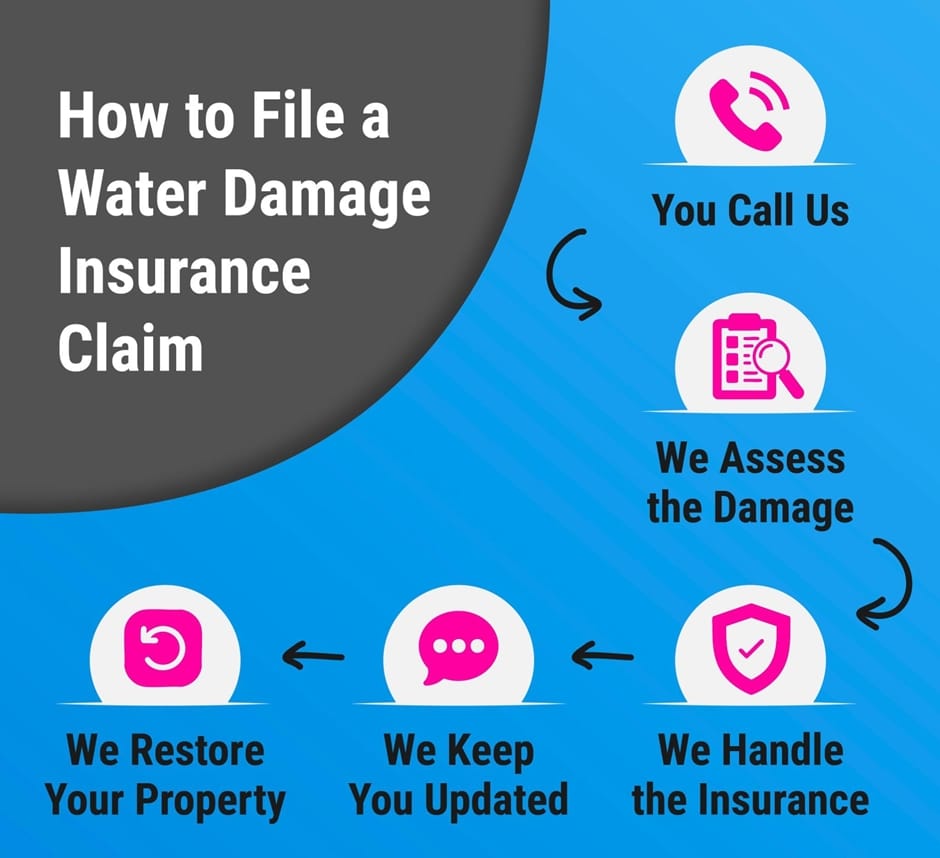
At Water Damage Repairs, we take the stress out of the insurance process by handling the claim on your behalf. As part of our comprehensive water damage restoration service, we work directly with your insurance company from start to finish. That means no paperwork headaches or confusing back-and-forth communication – we deal with the insurers so you don’t have to.
Here’s how it works:
- We assess the damage: Our team conducts a full on-site inspection and documents everything clearly with photos, videos and moisture readings.
- We prepare the evidence: From written reports to photographic proof, we make sure your claim is properly supported and compliant with your policy.
- We submit the claim: Once everything is in place, we liaise with your insurance provider and submit the water damage insurance claim on your behalf.
- We keep you updated: Throughout the process, we’ll keep you informed so you always know where things stand.
- We carry out the restoration: Once approved, our team gets to work restoring your property and putting things right.
This hands-off approach gives you peace of mind and ensures your claim is handled by professionals who know exactly how to get results. No stress, no delays – just a smooth, straightforward path to recovery.
How Long Does the Claims Process Take?
The time it takes to resolve a water damage insurance claim can vary:
- Simple claims (like a small burst pipe) – 1–2 weeks
- Moderate claims – 2–4 weeks depending on paperwork and inspections
- Severe flood damage claims – 4–8 weeks or longer, especially if rebuilding is needed
To speed things up, keep clear records, respond to your insurer promptly and use a restoration company familiar with the claims process—like us.
What Kind of Evidence Do I Need to Provide?
Your insurer will want:
- Clear photos or videos of the affected areas
- A detailed description of what happened and when
- Copies of repair quotes and receipts
- Reports from professionals (e.g. plumber, structural engineer)
- Evidence of water mitigation efforts you’ve made
- An inventory of damaged belongings with estimated values
Water Damage Repairs can provide all required documentation, including moisture readings, scope of works and professional assessments.
Can Water Damage Lead to Long-Term Problems?
Absolutely—if not properly handled, water damage can lead to:
- Structural rot in walls and floors
- Black mould and damp issues
- Electrical faults
- Decline in property value
- Recurring smells or stains
Even minor damage left untreated can cause big problems months down the line. That’s why proper water mitigation and restoration services are essential – not just a quick mop-up job.
Is Flood Damage Treated Differently?
Yes. Flood damage often involves different types of water (grey or black water), and its cleanup requires special equipment and expertise. Flood claims also typically involve:
- Additional insurance cover or specialist flood policies
- Coordination with local councils or flood response teams
- Longer drying times due to saturation of floors, walls, and foundations
We’re equipped with high-capacity pumps, drying systems and sanitising solutions to handle even the most severe flood cases.
Why Choose Water Damage Repairs?
We’re not just a restoration company, we’re your partner in recovery. Here’s why our clients across the UK trust us:
- 24/7 emergency response
- Fast and thorough water mitigation
- Full water damage restoration services, from drying to rebuilds
- Experience working with all major insurers
- Covering residential, commercial and transport sectors
- Friendly, professional engineers with real qualifications
We don’t just show up with a mop—we show up with solutions.
Need Help With a Water Damage Claim?
Whether you’re ankle-deep in flood water or dealing with a mysterious leak behind the walls, Water Damage Repairs is here to help. We’ve guided countless homeowners and business owners through successful water damage insurance claims, always with fast, expert service. Whether you need a water restoration quote or professional advice on how to submit a successful water damage repair insurance claim, make us your first port of call and get in touch today.