
Sewerage back-up & overflow damage claims.
Sewerage back-up or overflow damage occurs when water or sewage flows back into the property, rather than draining away as intended. This type of water damage is typically linked to drainage failure and involves contaminated water, which is assessed differently from other water damage claims.
Alongside insurance claim support, recovery may include appropriate cleaning, drying, and restoration works, subject to insurer approval.
What is sewerage back-up or overflow?
Sewerage back-up or overflow refers to damage caused when sewage or wastewater backs up and enters the property, often due to blockages or system failure. Because this type of water damage involves contamination, insurers assess these claims carefully and may apply specific policy conditions.
Typical sewerage back-up scenarios:
- Blocked sewer lines
- Failure of municipal sewer systems
- Septic system overflow
- Backflow from external drainage systems
Key feature:
✔ Contaminated water backs up into the property from drainage or sewer systems.
How sewerage back-up claims are assessed.
For a sewerage damage claim, the key consideration is whether contaminated water entered the property as a result of drainage or sewer failure, rather than from clean water sources.
Insurers typically assess:
- The cause of the back-up or overflow
- Whether the water involved was contaminated
- How and where the water entered the property
Where required, specialist assessment may be used to document the damage and circumstances.
Findings are provided to insurers and loss adjusters to support their assessment of the claim and help validate the cause of loss.
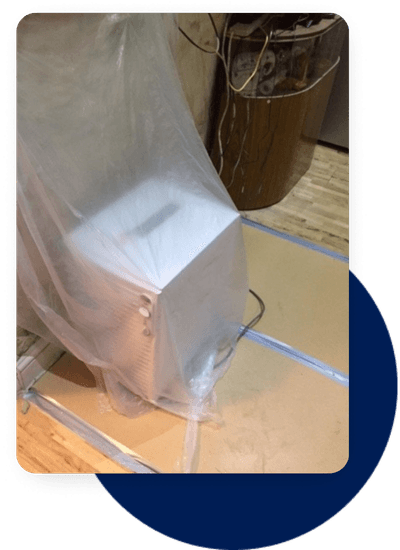
Structural drying as part of sewerage back-up or overflow damage.
Following a sewerage back-up, effective structural drying is essential to reduce the risk of further damage to the property.
Once the claim is authorised, approved specialists may be arranged to support drying and mitigation works. Structural drying helps to:
- Reduce the risk of long-term damage to walls, ceilings, and floors
- Protect building materials and internal structures
- Support a controlled and insurer-compliant restoration process
Moisture levels are monitored throughout the drying period to ensure the property is drying correctly and in line with insurer requirements.
Contamination cleaning and mould remediation.
Because sewerage back-up involves contaminated water, water restoration services may be required as part of the recovery process.
Where appropriate:
- Affected areas may be assessed for contamination
- Specialist remediation may be recommended
- Protect building materials and internal structures
This helps support a safe return of the property to normal use following the incident.

Case studies.
These case studies demonstrate how sewerage damage and overflow claims are assessed, evidenced, and managed to achieve fair insurance outcomes and effective property restoration.
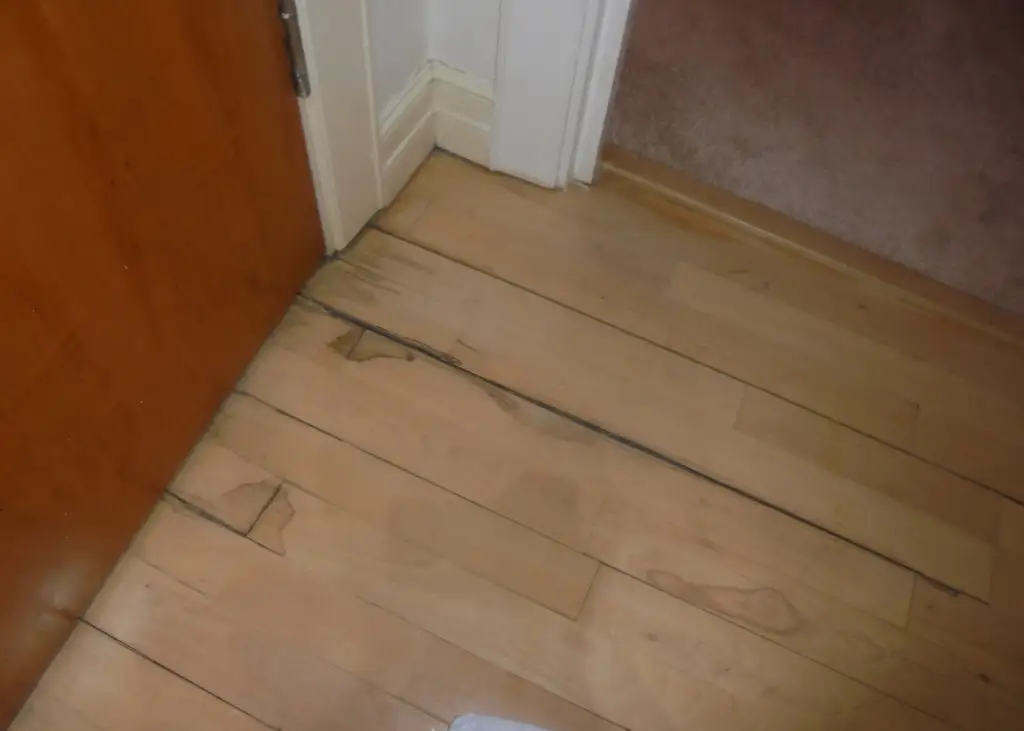
Blocked main sewer back-up in urban home.
Incident
A homeowner in an urban property returned from work to discover foul-smelling water rising up through the bathroom and utility room floors. The water was dark and contaminated, indicating sewerage back-up rather than clean flooding. The property was rendered uninhabitable pending removal of contaminated water.
Read more
Client concerns
The property owner was understandably distressed about the hygiene risk, potential damage to flooring and plasterwork, and whether the insurer would treat the incident as an insured sewerage flood rather than maintenance or drainage negligence. There was also concern about the extensive cleaning and drying required before repairs could begin.
How we handled the claim
We attended immediately to assess the extent and cause of the sewerage back-up. Photographic evidence and contamination reports were collected and provided to the insurer to demonstrate that the incident was caused by a blocked main sewer – an insured peril under most household policies.
Specialist remediation teams were instructed to extract all contaminated water and carry out deep sanitisation of the affected areas before structural drying could begin. High-powered drying equipment was deployed to lower moisture in subfloor timbers, walls, and flooring.
We liaised closely with the insurer and loss adjuster to agree both the sanitisation scope and the subsequent reinstatement works. Daily moisture readings were provided until levels returned to within acceptable limits.
Outcome
The sewerage flood claim was accepted. The contaminated water was safely removed and sanitised, structural drying was completed, and reinstatement including flooring and plasterwork was carried out. The home was restored to a safe, hygienic condition and cleared for habitation.
Visible sewerage backup damage
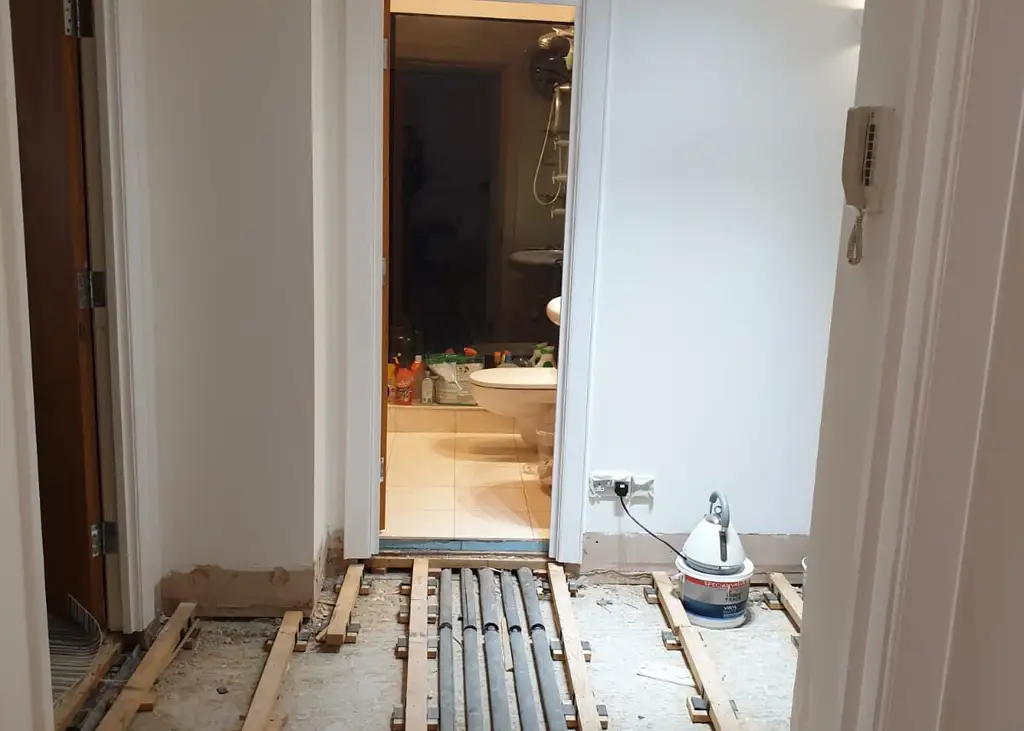
Work in progress
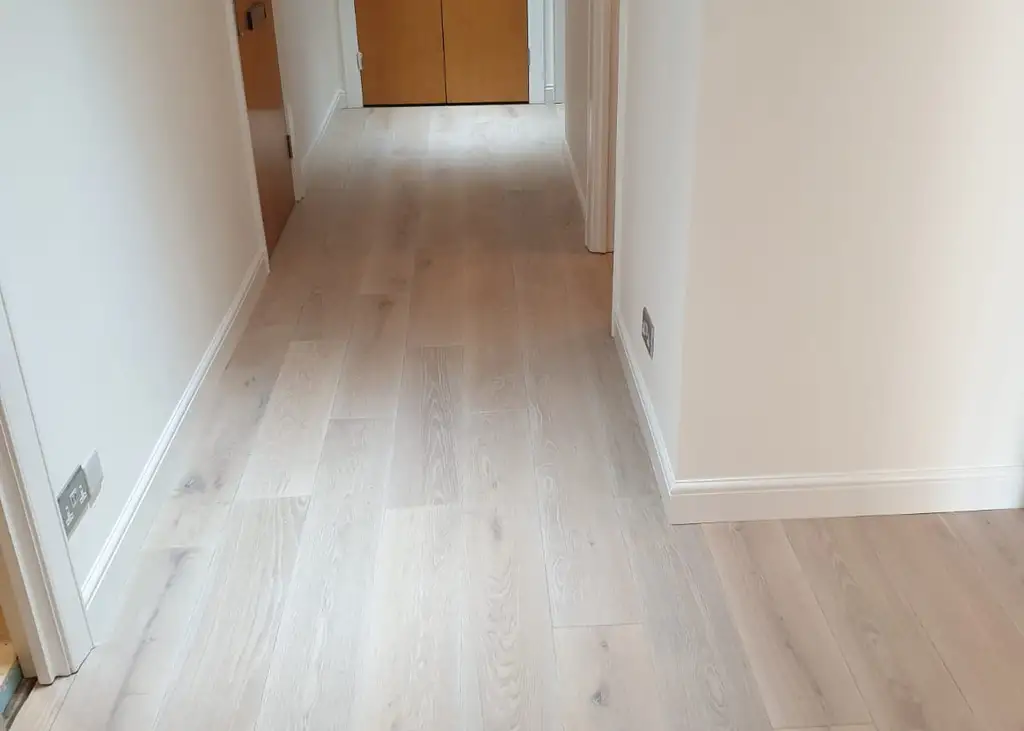
Property restored
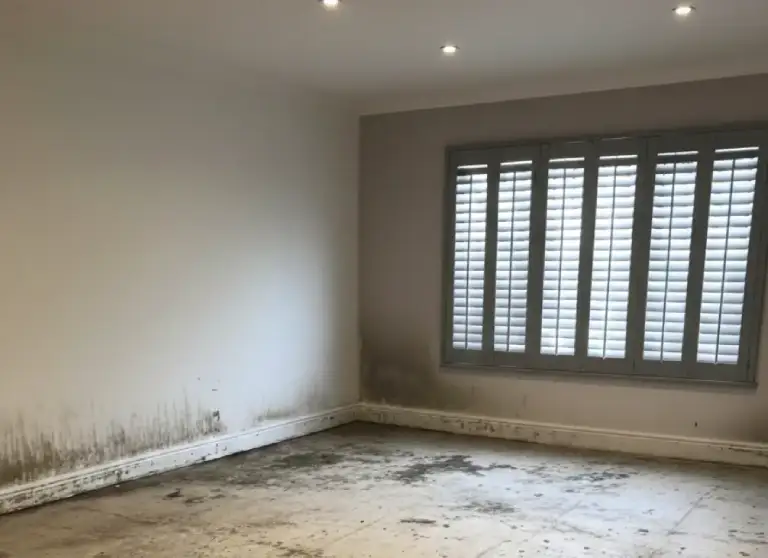
Septic tank overflow in rural property.
Incident
Following heavy rainfall, a rural property suffered a septic tank overflow that allowed sewage and contaminated water to seep through ground-level flooring and porous skirting. The contaminated water left visible staining and odour throughout the ground floor living spaces.
Read more
Client concerns
The homeowner was concerned about persistent smells, contamination of flooring and wall bases, and the complexity of proving to their insurer that the septic overflow was an insured sewerage peril rather than a maintenance issue. They also wanted reassurance that the home could be fully sanitised and dried without long-term moisture issues or mould.
How we handled the claim
Initial attendance focused on documenting the overflow and contamination with detailed photographs and a clear narrative of the incident’s cause. This evidence, along with rain data, helped demonstrate that the septic overflow was a sudden insured event rather than gradual deterioration.
We instructed specialist crews to conduct full extraction of contaminated water, apply professional sanitisation, and then install structural drying equipment to walls, subfloor spaces, and skirting areas. All drying was monitored daily with moisture readings provided to the insurer.
Once moisture levels were within acceptable limits, we coordinated removal of damaged materials and reinstatement of flooring and plaster finishes.
Outcome
The sewerage overflow claim was accepted by the insurer. Sanitisation and drying successfully eliminated contamination and moisture concerns. Once reinstatement was complete, the ground floor spaces were restored to their original condition with no lingering odour or dampness.
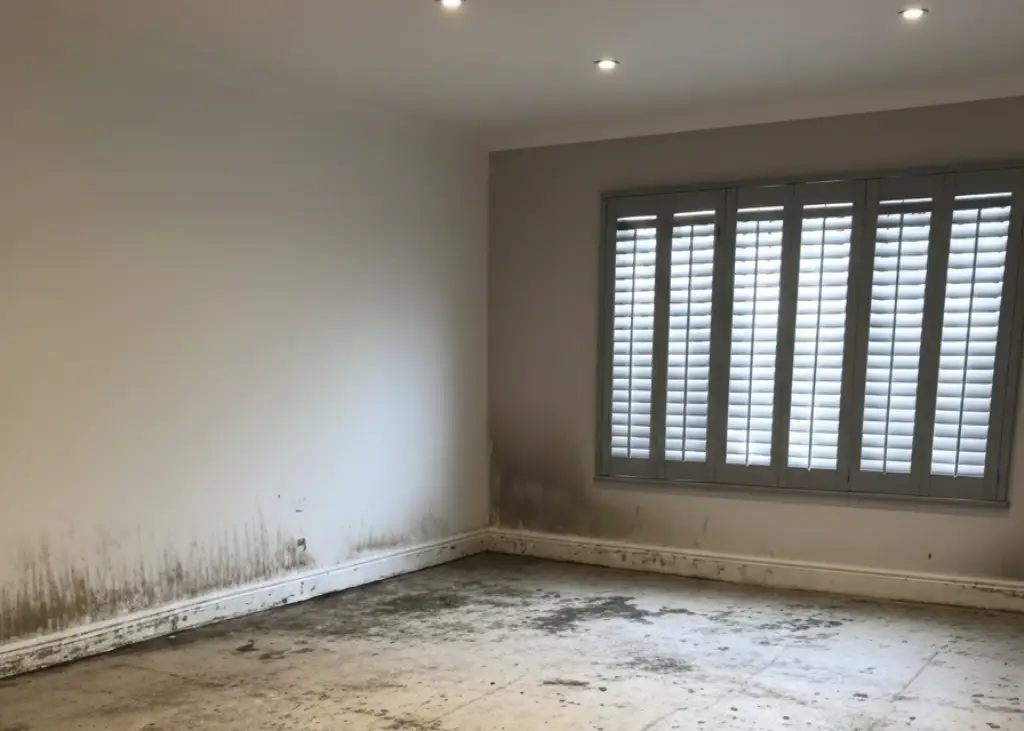
Visible contaminated water damage
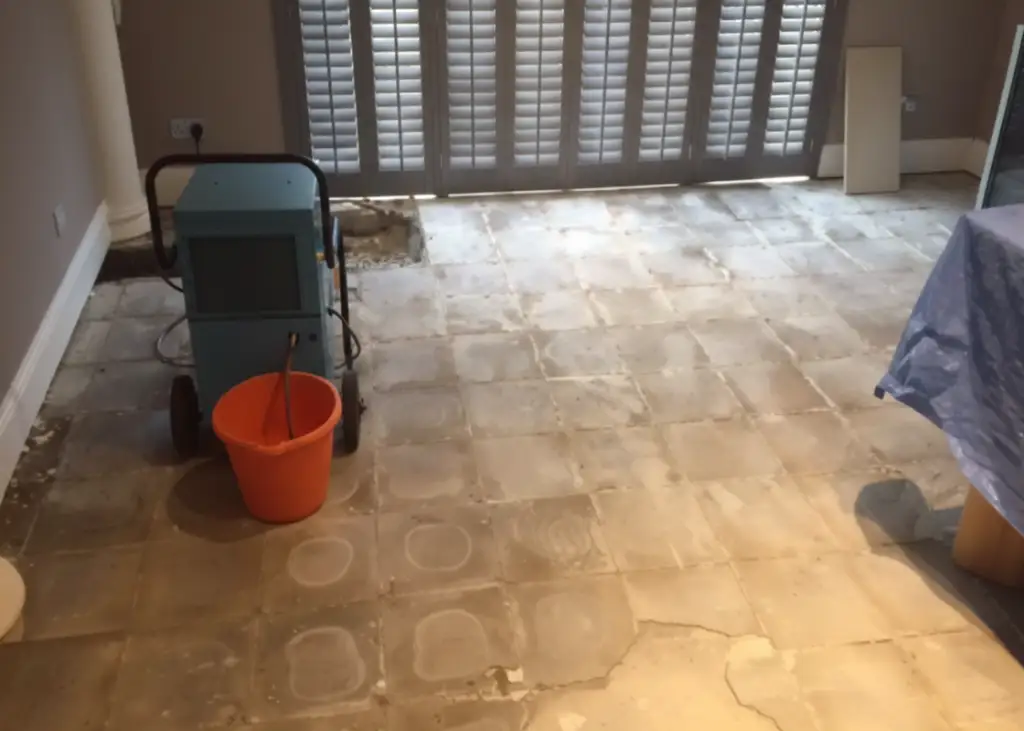
Drying in progress
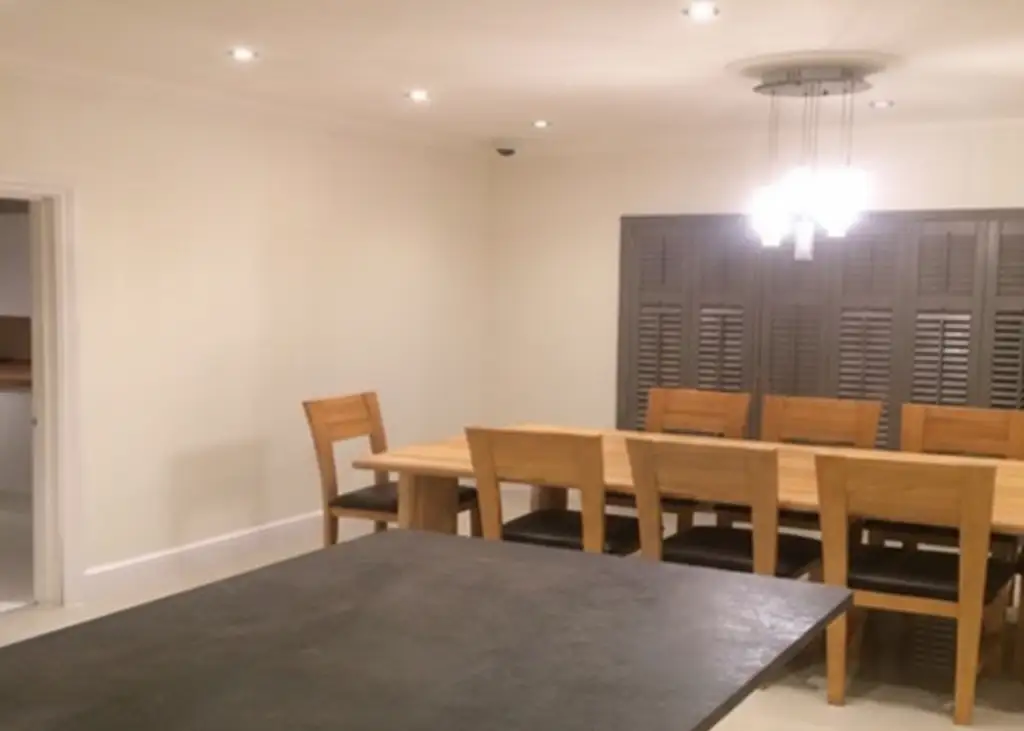
Property restored
Meet our team.
Our team brings specialist experience in sewerage damage and overflow claims, combining technical assessment, insurance expertise, and coordinated restoration to support you from start to finish.


FAQs
Below you’ll find answers to common questions about overflow and sewerage damage, insurance cover, and how we support you through the claims and restoration process.
Does home insurance cover sewage backup?
In many cases, yes. Home insurance policies often include cover for damage caused by sewer or drain back-up, but this may be subject to specific terms, limits, or endorsements. Cover usually applies when the incident is sudden and unforeseen. The exact position depends on your policy wording, so identifying the cause and presenting clear evidence is essential.
Does insurance cover sewage caused by blocked drains?
It can do, depending on why the blockage occurred. Sudden blockages caused by external factors or unexpected failures may be covered, whereas damage linked to long-term build-up, poor maintenance, or pre-existing issues is often excluded. Insurers closely examine the cause, which is why accurate investigation and documentation are so important.
What if the sewer backup was caused by the council or water authority?
If the issue originated from public sewers or infrastructure maintained by the local authorities, it is their responsibility to unblock the sewer. However for the internal damage in your property you should seek to make a claim with your buildings insurer who will settle based on “new for old”. If you try to claim via your council or water authorities the settlement will be on a liability basis meaning they will make deductions based on the condition and age of your property.
What evidence do I need for a sewage damage claim?
Useful evidence includes photographs and videos of the damage, records of when the issue was discovered, professional reports identifying the source and cause, and details of any emergency actions taken. Insurers often require clear confirmation of how and where the back-up occurred to assess whether the damage is covered.
Can I start clean-up before the loss adjuster arrives?
Avoid disposing of damaged items or carrying out permanent repairs until the damage has been assessed. Document the condition thoroughly before any clean-up begins to support your claim.
How long does it take for mould to start after water gets in?
Mould can begin to develop within 24 to 48 hours of water ingress, especially in warm or poorly ventilated areas. Prompt drying and professional remediation are crucial to minimise health risks, prevent further damage, and support a smoother insurance claims process.
What our clients say.
We pride ourselves on providing exceptional service, and the feedback from our clients speaks for itself. Here, you can read about the experiences of those who have trusted us with their water damage repairs.


 Customer review by Mike Sohn left on 27 Jan 2026
Position
Customer review by Mike Sohn left on 27 Jan 2026
PositionReally appreciated their 24 hour service. Had a burst pipe in the flat and called late at night. Helpful person took notes and got a call back early next morning with somebody sent out later that morning to come and look. Tom came on sight to survey and was just so clear and helpful explaining all the various options we had and how they could help. He went above and beyond in explaining ...★★★★★
 Customer review by Lin left on 30 Dec 2025
Position
Customer review by Lin left on 30 Dec 2025
PositionThe process from beginning to end went extremely smooth thanks to Steve and his team. Their communication is excellent, proactive and helpful. The job was carried out with quality & speed, the result looks fantastic! Very grateful for their repair work. Thank you Steve and team for being so trustworthy. Appreciate you all! ★★★★★
Customer review by Carole M left on 24 Aug 2025
PositionDefinitely no hard sell with these good people. I didn’t really know who I should be approaching with my problem, but the very knowledgeable gentleman was able to put me in touch with people who would be able to help. The help I got down the line was first class and am now in a position to get my problem resolved. Such a joy receiving such helpful advice from Water Damage Repairs. Thank you.★★★★★
Customer review by Mikhel P left on 27 Oct 2025
PositionThe claim process was made simple and all works was sorted.There were some delays but it all came together at the end. Tom who was the PM was helpful, made the process easier.★★★★★
Customer review by Sylvia K left on 17 Jul 2025
PositionWe were pleasantly surprised by how smoothly everything was managed and executed from start to finish. The team took the time to clearly explain each step of the process and maintained full transparency throughout. Dimitru and his team did an excellent job repairing our water damage with great attention to detail, and impressively fast! We always felt well-informed and in good hands. Highly recommended! ★★★★★
Customer review by Gareth L left on 2 Jul 2025
PositionFor us this was a crisis of life challenging proportions. For Allproperty Claims it was a routine job, no drama at all. We left everything to their specialist team. Job done. ★★★★★
Contact us.
If you’re dealing with water damage or need assistance with an insurance claim, we’re here to help. Our team is ready to provide expert advice and fast, reliable service to get your property back to normal. Reach out to us today, and we’ll guide you through the process every step of the way.
Start your sewerage damage claim with confidence.
Contact our specialists today for expert sewerage back-up or overflow damage assessment, clear insurance support, and coordinated restoration to help you recover with confidence.