
Overflow of water from external drains & gutters.
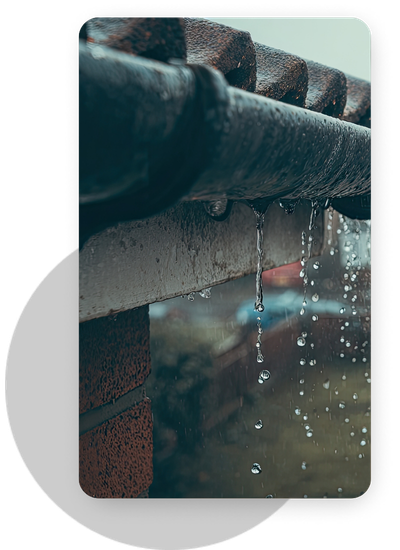
Overflow of water from external drains or gutters occurs when water is unable to drain away as intended and instead overflows externally, entering the property suddenly. This type of water damage is typically linked to drainage capacity issues or blockages during periods of heavy rainfall.
Alongside insurance claim support, recovery may include drying and restoration works, subject to insurer approval.
What is overflow of water?
Overflow of water from external drains or gutters refers to damage caused when external drainage systems become blocked or overwhelmed, leading to water overflowing and entering the building.
This type of water damage is assessed separately from escape of water and flooding and focuses on how external drainage systems performed at the time of the incident.
Typical external drain or gutter overflow scenarios:
- Blocked external stormwater drains
- Sudden overflow of gutters during heavy rainfall
- Downpipes unable to cope with water volume
- Water spilling over externally and entering the property
Key feature:
✔ Water overflows externally and enters the building suddenly.
How overflow of water claims are assessed.
For these claims, insurers assess whether water entered the property as a result of external drainage or gutter overflow, rather than from internal plumbing systems or natural flooding.
Insurers typically consider:
- The condition and capacity of external drains, gutters, and downpipes
- Whether blockages or overload contributed to the overflow
- How the water entered the property
Where required, specialist assessment may be used to document the circumstances. Findings are recorded and provided to insurers and loss adjusters to support their assessment of the claim and help validate the cause of loss.
Structural drying and water damage mitigation.
Following sudden water ingress from external overflow, effective structural drying is essential to reduce the risk of ongoing damage.
We will help you mitigate further damage by getting our accredited drying specialists to commence drying in your property even before your claim is approved. Structured drying helps to:
- Reduce damage to walls, floors, and internal structures
- Protect building materials from prolonged moisture exposure
- Support a controlled and insurer-compliant recovery process
Moisture levels are monitored throughout the drying period to ensure the property is certified as dry before onward repairs are started.
Mould remediation after external water ingress.
External water ingress can leave residual moisture trapped within walls, floors, and structural materials, particularly where water enters suddenly and is not immediately visible. If drying is delayed or incomplete, this can increase the risk of mould growth over time.
Where mould is identified, or where there is an increased risk following external water damage, specialist mould remediation may be required. This is typically assessed as part of the wider insurance claim and arranged in line with insurer approval.
Mould remediation may involve:
- Assessing affected areas for signs of moisture or mould growth
- Identifying hidden moisture within walls or flooring
- Recommending appropriate remediation measures
- Supporting a safe and effective recovery of the property
Any recommended water damage restoration works are coordinated in accordance with insurer requirements, helping to reduce the risk of ongoing issues and support the property’s return to normal use.

Case studies.
These case studies highlight real water overflow insurance claims, showing how accurate assessment, clear evidence, and coordinated repairs lead to successful outcomes.

Hidden water mains leak.
Incident
A homeowner contacted Leak Tracers Direct after months of unusually high water bills that could not be explained. Initially, Thames Water attended the property and replaced the water meter after suspecting it was faulty. However, the following month the bills remained unusually high.
Read more
A further visit suggested the issue related to an incoming pipe previously repaired outside the property, and the case was then closed.
Shortly afterwards, visible water damage began appearing on the hallway walls inside the home. The homeowner was advised that the leak may be coming from within the property and that specialist leak detection would be required.
Client concerns
The situation quickly became stressful and financially worrying. The homeowner was facing ongoing high water bills, visible signs of moisture within the property, and growing concerns about possible mould. When he contacted his insurer, he was told that without proof of the cause of the damage they could not consider a claim.
With a newborn baby in the home, the family were especially worried about the potential health risks and the disruption that invasive investigations and repairs could cause.
How we handled the claim
After contacting Leak Tracers Direct, the homeowner was connected with a specialist leak detection engineer who carried out pressure testing to investigate the water supply. The source of the leak was identified as the incoming water mains pipe connection near the external meter chamber, and high moisture levels were also detected beneath the hallway flooring.
With the cause of the damage evidenced, Leak Tracers Direct supported the homeowner in progressing an insurance claim and coordinating the next steps required by the insurer.
Outcome
Once the claim was accepted, temporary alternative accommodation was arranged while the affected areas of the property were professionally dried and treated for mould. Damaged flooring was replaced and the hallway was redecorated, restoring the home to a safe and habitable condition.
The homeowner was able to resolve the ongoing water damage and move forward with peace of mind knowing the claim had been successfully supported from detection through to reinstatement.

Leak location
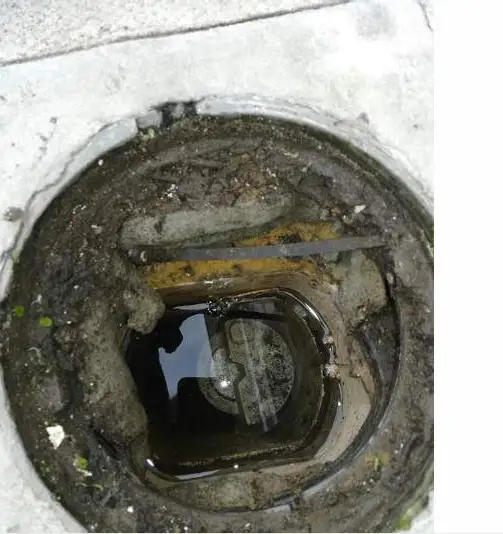
Leak found
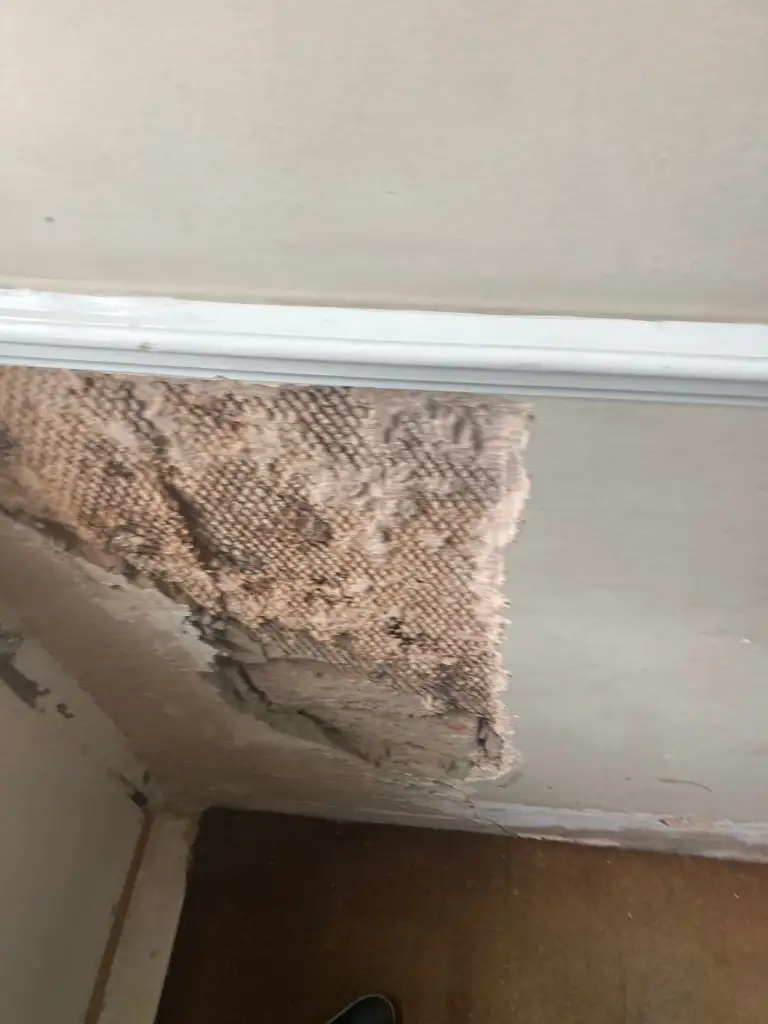
Damage to wall

Measuring moisture content

Drainage system overflow.
Incident
Following sustained rainfall, the local stormwater drainage system was overwhelmed and water backed up before entering the property through external thresholds at ground level. Water entered living spaces and across tiled flooring, causing damage to lower walls, door frames, and floor finishes.
Read more
Client concerns
The homeowner was worried about proving external stormwater as the cause, rather than internal plumbing, and whether mitigation like drying and repairs would be funded under policy terms. There were visible signs of moisture penetration and concerns about the time and cost to return the home to a safe, dry condition.
How we handled the claim
A site inspection was undertaken to document the pattern and point of entry for the stormwater. Photographs and measurements confirmed water had entered from ground-level thresholds consistent with an overloaded external drainage system rather than internal leakage.
We presented a detailed evidence pack to the insurer, including weather data and drainage overload records where available. On acceptance, structural drying systems were deployed to lower walls and flooring to extract residual moisture.
Throughout the drying process, moisture levels were tracked and reported to the insurer to confirm completion thresholds before moving to reinstatement works. Repairs included replacement of damaged door frames and floor finishes, plus plaster repairs where necessary.
Outcome
The claim was validated as external stormwater overflow. Drying was completed to professional standards and the property reinstated without ongoing damp or mould issues. The homeowner was pleased with the speed of handling and clarity provided throughout the claim process.
Source identified

Work in progress

Property restored
Meet our team.
Our team brings together specialist knowledge in water overflow claims, damage assessment, and insurance-led restoration to support you from first call to final repair.


FAQs
Below you’ll find answers to common questions about water overflow insurance claims, including next steps and how we support you throughout the process.
Why is water overflowing from my gutters?
Gutters usually overflow when they become blocked or overwhelmed. Common causes include a build-up of leaves, moss, and debris, poorly aligned or damaged guttering, or downpipes that are partially or fully blocked. During heavy rainfall, even minor obstructions can prevent water from draining correctly, causing it to spill over the edges.
Can blocked gutters cause water damage inside the house?
Yes. When gutters can’t channel water away effectively, overflowing water can run down external walls and find its way into the property. This may lead to water ingress through brickwork, window surrounds, roof edges, or loft spaces, resulting in internal damp patches, staining, and water damage.
Can overflowing gutters cause damp or mould?
Absolutely. Persistent gutter overflow can keep walls and roof areas damp, creating the ideal conditions for mould growth. Over time, excess moisture can penetrate internal walls and ceilings, leading to musty odours, visible mould, and potential health concerns if left untreated.
Can gutter overflow cause structural damage?
Yes. Prolonged water exposure from overflowing gutters can weaken brickwork, damage mortar joints, and affect foundations over time. Internally, it may lead to deteriorating plaster, warped timbers, and compromised structural elements if the underlying cause isn’t addressed promptly.
Does home insurance cover damage from overflowing gutters?
Insurance cover depends on your policy and the cause of the damage. Sudden and unforeseen water damage caused by heavy rainfall may be covered, but insurers may reject claims if the overflow is linked to poor maintenance or long-term neglect, such as blocked or damaged gutters. Accurate cause identification and clear evidence are essential when presenting a claim.
What our clients say.
We pride ourselves on providing exceptional service, and the feedback from our clients speaks for itself. Here, you can read about the experiences of those who have trusted us with their water damage repairs.


 Customer review by Mike Sohn left on 27 Jan 2026
Position
Customer review by Mike Sohn left on 27 Jan 2026
PositionReally appreciated their 24 hour service. Had a burst pipe in the flat and called late at night. Helpful person took notes and got a call back early next morning with somebody sent out later that morning to come and look. Tom came on sight to survey and was just so clear and helpful explaining all the various options we had and how they could help. He went above and beyond in explaining ...★★★★★
 Customer review by Lin left on 30 Dec 2025
Position
Customer review by Lin left on 30 Dec 2025
PositionThe process from beginning to end went extremely smooth thanks to Steve and his team. Their communication is excellent, proactive and helpful. The job was carried out with quality & speed, the result looks fantastic! Very grateful for their repair work. Thank you Steve and team for being so trustworthy. Appreciate you all! ★★★★★
Customer review by Carole M left on 24 Aug 2025
PositionDefinitely no hard sell with these good people. I didn’t really know who I should be approaching with my problem, but the very knowledgeable gentleman was able to put me in touch with people who would be able to help. The help I got down the line was first class and am now in a position to get my problem resolved. Such a joy receiving such helpful advice from Water Damage Repairs. Thank you.★★★★★
Customer review by Mikhel P left on 27 Oct 2025
PositionThe claim process was made simple and all works was sorted.There were some delays but it all came together at the end. Tom who was the PM was helpful, made the process easier.★★★★★
Customer review by Sylvia K left on 17 Jul 2025
PositionWe were pleasantly surprised by how smoothly everything was managed and executed from start to finish. The team took the time to clearly explain each step of the process and maintained full transparency throughout. Dimitru and his team did an excellent job repairing our water damage with great attention to detail, and impressively fast! We always felt well-informed and in good hands. Highly recommended! ★★★★★
Customer review by Gareth L left on 2 Jul 2025
PositionFor us this was a crisis of life challenging proportions. For Allproperty Claims it was a routine job, no drama at all. We left everything to their specialist team. Job done. ★★★★★
Contact us.
If you’re dealing with water damage or need assistance with an insurance claim, we’re here to help. Our team is ready to provide expert advice and fast, reliable service to get your property back to normal. Reach out to us today, and we’ll guide you through the process every step of the way.
Start your drain overflow claim with confidence.
Speak to our specialists today for expert assessment, clear insurance guidance, and coordinated repairs that keep your claim moving smoothly.