
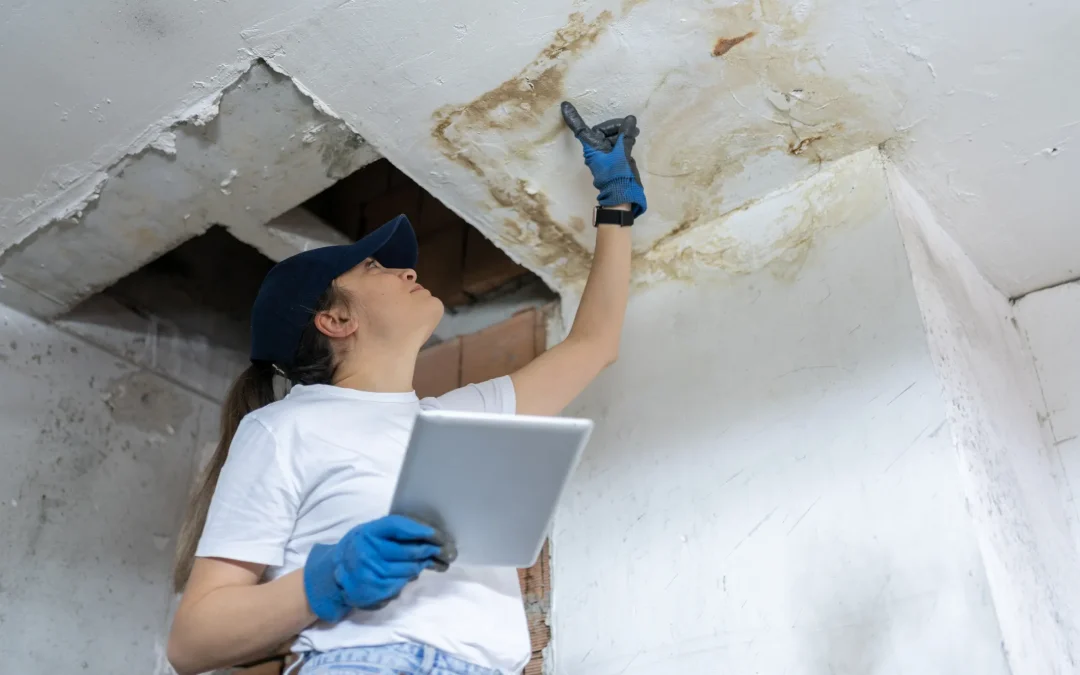
Water damage can strike at any time, causing extensive damage to your property and belongings. Whether from a burst pipe, a storm, or a faulty appliance, addressing water damage quickWater damage can strike at any time, causing extensive damage to your property and belongings. Whether from a burst pipe, a storm, or a faulty appliance, addressing water damage quickly is crucial to prevent further harm.
What is water damage restoration? Water damage restoration is the process of removing excess water, drying affected areas, sanitising surfaces, and repairing property after flooding, leaks, or burst pipes. It involves five key stages: inspection, water extraction, drying, cleaning, and repair, restoring your home or business safely and efficiently.
This guide provides a complete overview of water damage restoration services, detailing the types of damage that can occur, how the restoration process works, and why choosing a professional service like Water Damage Repairs in London is essential. Understanding the steps involved can help you make informed decisions when faced with water damage in your home or business.
What is Water Damage?
Water damage occurs when excess moisture or water makes contact with surfaces and materials, causing harm. This can result from various sources, including burst pipes, leaks, flooding, or malfunctioning appliances. The longer water sits, the more damage it causes to your property, which is why timely intervention is crucial.
There are various types of water damage, including:
- Clean Water Damage: This type occurs when water comes from a clean source, such as a broken pipe or a leaking faucet. While not contaminated, it can still cause significant damage if not addressed quickly.
- Grey Water Damage: Grey water comes from appliances like washing machines, dishwashers, or sinks. Although it’s not as dangerous as black water, it can still carry bacteria and cause damage to your property.
- Black Water Damage: This is the most hazardous type of water damage, often resulting from sewage backups or floodwaters. It carries harmful pathogens and can pose severe health risks.
Ignoring water damage or delaying restoration can lead to mould growth, structural issues, and expensive repairs. Water damage left untreated for even a few days can compromise your home’s structure, leading to wood rot, weakened foundations, and other severe issues.
What is Water Damage Cleanup?
Water damage cleanup is a thorough process that includes removing excess water, drying out affected areas, and restoring any damaged property to its original state. This process is essential for preventing long-term structural damage and reducing health risks caused by mould and dampness.
Water damage cleanup can vary depending on the origin of the water damage. For example, after a flood, it’s important to follow proper health and safety measures to protect yourself from sewage and contamination risks. For expert advice on staying safe and protecting your health after water damage, refer to the guidance provided by the UK government.
The Water Damage Restoration Process
Water damage restoration is a detailed, multi-step process that requires a high level of expertise, advanced equipment, and meticulous attention to detail. Each stage plays a critical role in ensuring that the property is restored to its original condition and that potential health hazards, such as mould and mildew, are eliminated.
Here’s a comprehensive breakdown of what happens during the restoration process:
1. Assessment and Inspection
The restoration process begins with a thorough inspection of the property. Trained technicians assess the full extent of the damage, paying special attention to areas that may have been affected by hidden water sources, such as behind walls or under floors.
This step helps identify any structural damage and establishes a clear understanding of the scope of work needed. The team will also identify any electrical hazards or potential risks to ensure safety during the restoration process. The initial assessment is vital in formulating a tailored action plan, which will guide the restoration process.
2. Water Extraction
Once the inspection is complete, the next step is water extraction. Powerful pumps and vacuums are used to remove standing water from floors and other surfaces. Quick and efficient water extraction is crucial to prevent further damage and reduce the risk of mould and mildew growth.
Depending on the severity of the flooding, this step may involve the removal of water from carpets, upholstery, or structural elements like wood or concrete. Speed is of the essence during this stage to minimise damage and avoid the need for extensive repairs later on.
3. Drying and Dehumidifying
After the water is extracted, industrial-grade fans, dehumidifiers, and air movers are used to dry out the affected areas. This stage can take several days, depending on the extent of the water damage and the materials affected.
The use of dehumidifiers is particularly important in preventing the growth of mould, which thrives in damp environments. The drying process ensures that all hidden moisture is removed from walls, floors, ceilings, and furniture. It also helps prevent any long-term structural issues caused by water saturation, such as wood rot or weakened foundations.
4. Cleaning and Sanitisation
Once the property is thoroughly dried, the next step is cleaning and sanitisation. Water damage often leads to the accumulation of harmful bacteria, mould spores, and mildew, especially if the water source was contaminated (such as floodwater).
To mitigate these risks, the restoration team uses specialised anti-microbial treatments to disinfect surfaces and prevent further contamination. This stage ensures that your property is not only visually restored but also safe to live in. Thorough cleaning is vital to eliminate any potential health hazards that may have resulted from the water exposure.
5. Restoration and Repairs
The final stage of the water damage restoration process is repairs and restoration. Once the affected areas are dry and sanitised, the restoration team begins restoring the property to its pre-damage condition. This can involve a variety of tasks, such as fixing structural issues, replacing damaged flooring, and repairing or replacing damaged drywall.
The restoration team may also re-paint walls, re-tile floors, and replace furniture or fixtures that were beyond repair. The ultimate goal is to make the property safe, habitable, and aesthetically pleasing again, ensuring that it looks and feels like it did before the water damage occurred.
How Water Restoration Companies Work with Insurance
Water damage insurance is an essential part of homeowner’s or business insurance. It covers repairs and restoration costs in the event of water-related damage. However, the type of coverage varies depending on the policy, so it’s important to review the terms carefully.
Having an experienced restoration company like Water Damage Repairs on your side ensures that the process is handled professionally, increasing the likelihood that your insurance claim will be approved. With expertise in water damage restoration, they can accurately survey the damage, document the issue, understand the terms of your insurance policy, and provide detailed reports to assist in the claims process.
By working closely with insurance providers, water restoration companies help streamline the claims process, ensuring you receive the compensation needed to cover repair costs and restore your property efficiently.
Choosing a Water Damage Restoration Company
When faced with the aftermath of a flood, selecting the right restoration company is essential to ensure thorough cleanup and efficient repairs. At Water Damage Repairs, we pride ourselves on being a trusted leader in water damage restoration services across London and the Midlands, offering expert services that prioritise both quality and speed.
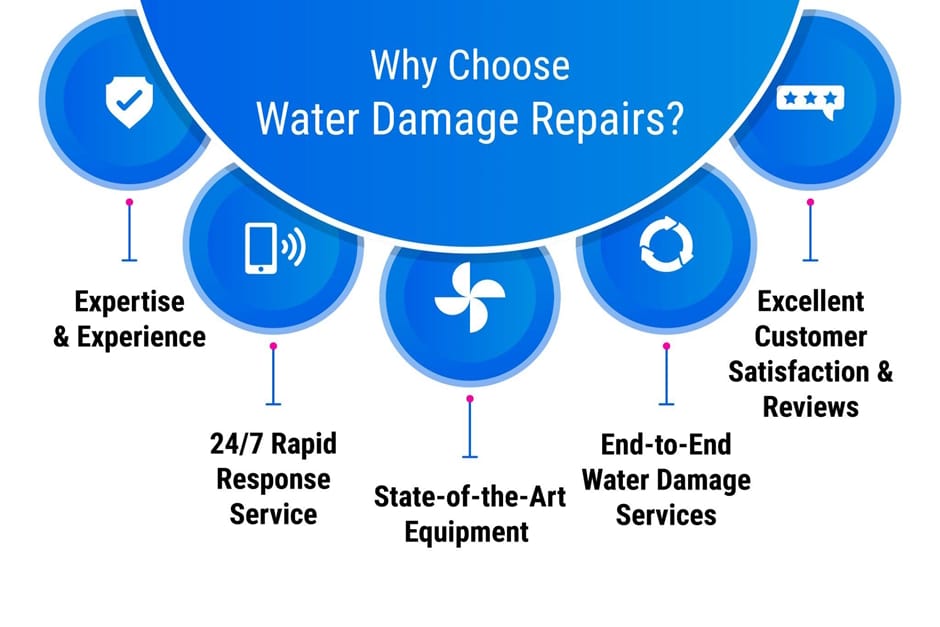
Expertise and Experience: At Water Damage Repairs, we have years of experience in the water damage restoration industry. Our technicians are highly trained and equipped to handle all types of water damage, from minor leaks to severe flooding.
Response Time: We understand that water damage is an emergency, which is why we offer a 24/7 rapid response service. Whether it’s day or night, we’re ready to assist with prompt water extraction and restoration.
Advanced Equipment: We use the latest equipment to efficiently extract water, dry affected areas, and restore your property. Our advanced dehumidifiers, air movers, and water extraction tools ensure the job is done thoroughly and safely.
Comprehensive Services: Our services include water damage assessment, extraction, drying, cleaning, sanitisation, and restoration. We offer full water damage restoration for businesses and homeowners, ensuring your property is restored to its original condition.
Positive Customer Satisfaction and Reviews: We pride ourselves on our reputation for excellent service. Our customers in London and beyond have praised our professionalism, efficiency, and attention to detail. With positive reviews and a high satisfaction rate, we are a trusted name in water damage restoration.
Water damage can be a devastating event for homeowners and businesses alike, but with the right restoration team, it’s possible to recover quickly and efficiently. At Water Damage Repairs, we are committed to providing the highest level of service to restore your property and peace of mind. Whether you’re dealing with burst pipes, flooding, or appliance failure, our expert team is ready to help.
If you’re struggling to identify the source of water damage, dealing with insurance challenges, or just need a reliable team to handle everything for you, contact us today!